

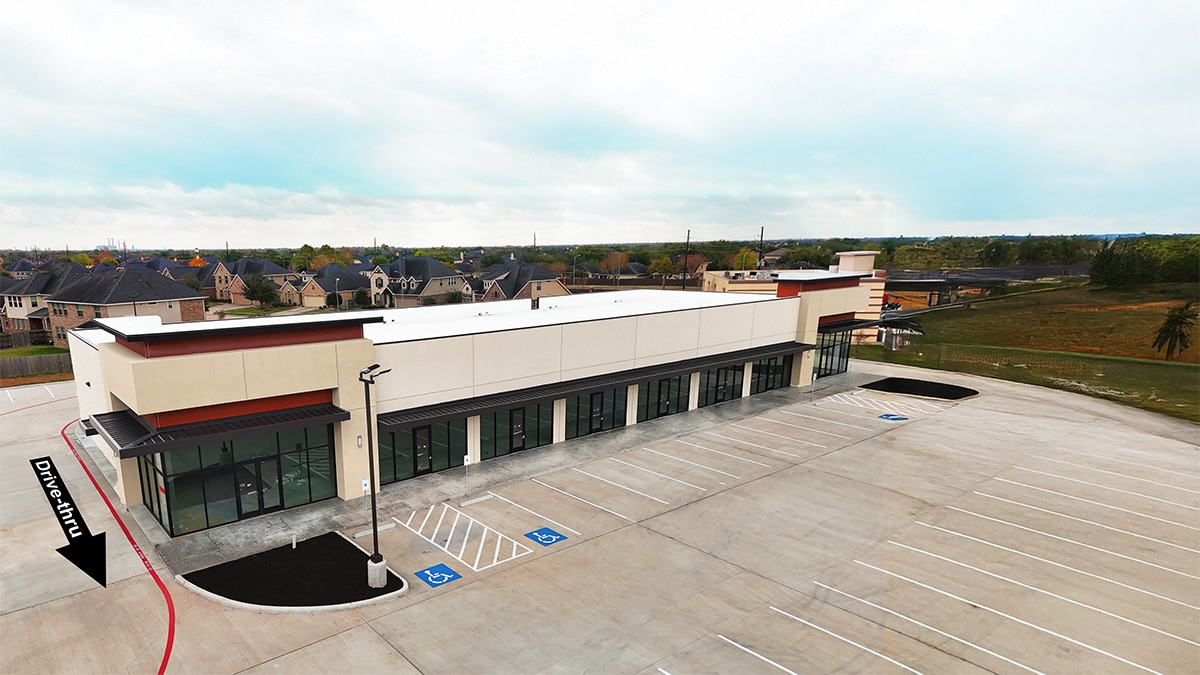
Retail and Shopping Center Roofing starts with the condition of the roof in front of us
Commercial roofing for retail centers, strip malls, big-box stores, and shopping destinations.
Grand Rapids retail properties sit in a climate that tests roofing systems in ways that few markets can match. The western Michigan winters bring heavy lake-effect snow from Lake Michigan, with downtown corridors like Monroe Center and the retail strips along 28th Street SE accumulating seasonal snow loads that can exceed the design assumptions baked into older commercial buildings. When snow sits on a flat retail roof for weeks and then melts unevenly, the runoff overwhelms interior drains and creates ice damming at parapet walls and scuppers. Property managers at centers like Woodland Mall and the power-center corridor along East Beltline have learned to treat roofing as a year-round maintenance priority rather than a reactive repair item.
TPO and PVC membrane systems have largely replaced the built-up and modified bitumen roofs installed during Grand Rapids' retail expansion of the 1980s and 1990s. The reflective white surface of a TPO system offers meaningful energy savings during summer months, and the seam-welded construction resists the freeze-thaw cycling that makes lap-adhesive systems fail prematurely in Michigan's climate. For anchor tenants at Grand Rapids shopping centers - particularly the national home goods and electronics retailers whose distribution of HVAC units creates a high density of rooftop penetrations - PVC systems offer superior chemical compatibility with the exhaust streams from rooftop mechanical equipment.
Drainage design is the single most important factor in a Grand Rapids retail roof's long-term performance. The combination of rapid snowmelt events in late winter and occasional summer cloudburst storms demands interior drain systems with adequate capacity and clear access for maintenance. Many strip centers along the Kalamazoo Avenue corridor and the retail nodes near Alpine Avenue have drain systems that were adequate when installed but have been compromised by subsequent rooftop equipment additions that altered the original flow path. A qualified roofing assessment includes a drainage flow analysis, not just a visual inspection of membrane condition.
Retail tenants in Grand Rapids range from the national chains occupying space at Centerpointe Mall to the independently owned retailers filling older strip centers near the Medical Mile and along Leonard Street NW. Each category has different tolerance for construction disruption and different lease structures governing roofing obligations. National tenants typically have lease provisions that give them specific rights regarding advance notice of rooftop work, access to contractor insurance certificates, and approval rights over work that penetrates their lease space boundary. Independent tenants are often more flexible but need clear communication about project timelines to avoid conflicts with their own promotional events or seasonal inventory deliveries.
Grand Rapids' commercial retail roofing market has seen substantial activity in the past decade as shopping centers built during the 1990s hit the 25-to-30-year mark on their original membrane systems. Complete tear-off and replacement projects on centers along the 28th Street corridor create logistical challenges because these properties remain fully occupied during construction. Sequencing roofing work bay by bay - completing and waterproofing each section before moving to the next - allows tenants to remain open while limiting the exposure of bare deck to Michigan's unpredictable weather. Spring and early fall are the preferred construction windows, avoiding both winter weather risk and the summer heat that affects membrane adhesion quality.
HVAC curb flashing failures are consistently among the most common sources of retail tenant complaints in Grand Rapids. The freeze-thaw cycle that Michigan winters impose on metal curb flashings causes expansion and contraction that loosens sealants and separates laps over time. A property manager who defers flashing maintenance to avoid CAM budget overruns typically faces a much larger claim when an HVAC leak damages tenant merchandise or disrupts operations during a high-traffic retail period. Including rooftop flashing inspection in an annual CAM-eligible preventive maintenance contract is a practice that experienced Grand Rapids retail landlords have adopted to manage this exposure.
Questions We Answer Before Work Starts
How do you decide whether Retail and Shopping Center Roofing needs repair or replacement?
We start with roof condition, moisture concerns, drainage, age, access, and recurring leak history. Repair is recommended when it solves the problem cleanly. Replacement is discussed when repeated repairs are only chasing symptoms.
Can the building stay open during retail and shopping center roofing work?
Most commercial roof work can be staged around an active building when access, loading, noise, odors, and end-of-day dry-in are planned before crews arrive.
What do owners receive after an inspection?
Typical documentation includes photos, notes on membrane and metal conditions, drain observations, repair priorities, and a practical next-step recommendation.