

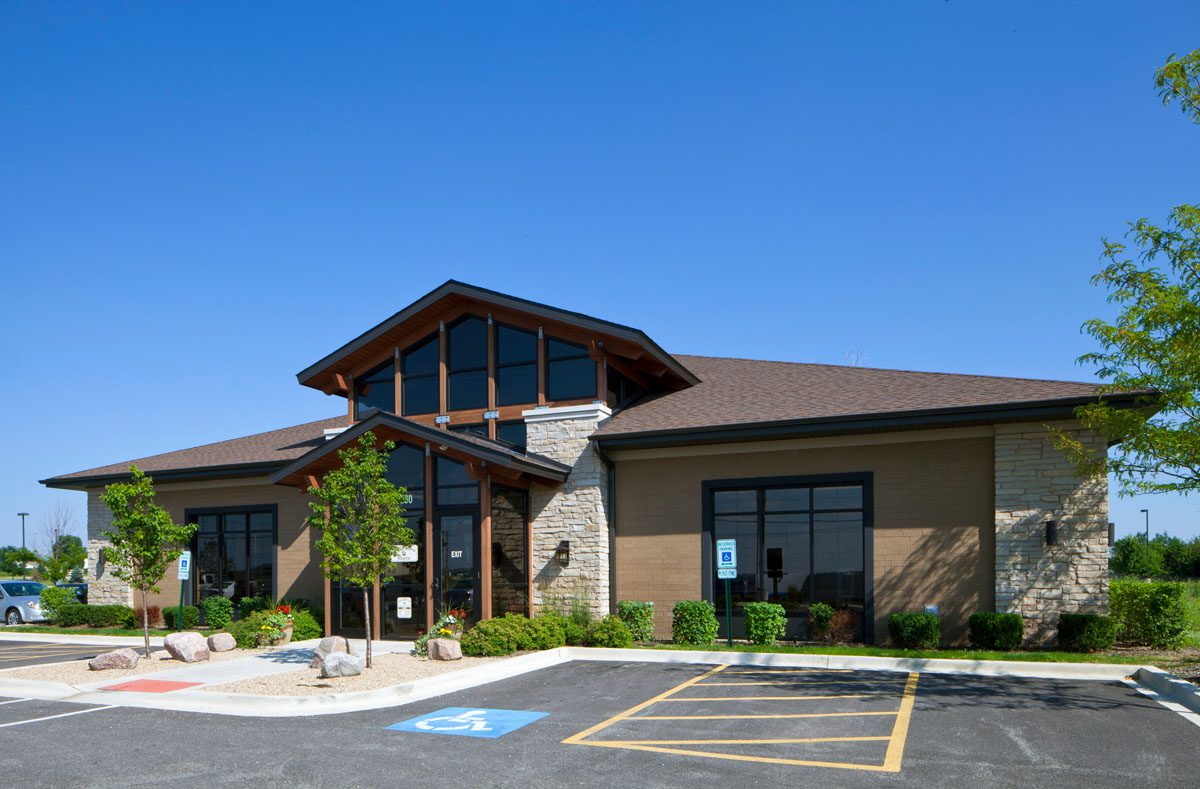
Veterinary Clinic & Animal Hospital Roofing changes access, staging, and risk below the roof
Commercial roofing for veterinary clinic & animal hospital roofing in Grand Rapids, MI - specifications, scheduling, and project coordination for this building type.
Veterinary clinic and animal hospital roofing in Grand Rapids is a specialty because of the operational coordination requirements - not because the building is structurally unusual. Most veterinary facilities are standard commercial construction: light commercial steel or wood frame, flat or low-slope roof, with a denser-than-average penetration count. The specialty is in understanding that animals can't be told to wait, that a surgery can't be paused, and that a boarding wing of anxious dogs isn't an abstraction - it's an operational constraint that shapes every decision in the construction sequence. Ask prospective contractors whether they've worked in occupied veterinary facilities before. The ones who have will know what you're about to ask next.
The practice manager is the most important pre-construction contact on a veterinary facility re-roofing project in Grand Rapids - more important than the property owner, because the practice manager controls the operational calendar that governs the construction sequence. A contractor who reaches the pre-construction meeting with the property owner's contact information but not the practice manager's hasn't thought through the project. We schedule a separate pre-construction meeting with the practice manager, walk through the building's daily and weekly rhythm together, and build the phasing plan from that conversation - not from the building floor plan alone.
Medical gas and WAG scavenging experience is the technical credential that most distinguishes qualified veterinary facility roofing contractors. These systems are specific to medical and veterinary buildings, and a contractor who hasn't worked around them won't know to ask about WAG stack heights or isolation HVAC exhaust clearances. The consequences of a WAG scavenging exhaust stack that terminates too close to an HVAC intake - chronic low-level anesthetic gas exposure for clinic staff - are serious and not visible during the roofing project. They show up in the staff health program months later. Ask any prospective veterinary facility contractor what they know about WAG scavenging systems before letting them on the roof.
Ask: have you re-roofed a full-service veterinary hospital with a boarding wing and a surgical suite? What was the alarm protocol when an emergency surgery was scheduled in a section where you were working overhead? What do you know about WAG scavenging exhaust stack clearance requirements? Did you coordinate with the practice manager or only the property owner during pre-construction? The answers tell you whether the contractor has worked in a live veterinary facility - or is planning to figure it out on your project.
A complete proposal for a veterinary hospital should include: penetration inventory from the pre-bid inspection including medical gas, WAG scavenging, and isolation HVAC exhaust locations; schedule coordination plan with the practice manager's input; boarding wing noise and vibration protocol; WAG stack clearance assessment with re-roofing height adjustment if required; building occupancy classification and permit strategy; and post-project medical gas clearance confirmation deliverable. A proposal without these elements has not accounted for the veterinary-specific requirements of the project.
Standard commercial general liability and workers' compensation coverage is sufficient for most veterinary facility roofing projects. For facilities with large exotic or high-value animals - zoological collections, equine hospitals, specialty referral hospitals - property damage liability for animal mortality events may require additional coverage or an endorsement confirming that the GL policy covers property damage claims that include high-value animal losses. We confirm our coverage configuration with the practice owner before contract execution for facilities with high-value animal populations.
Questions We Answer Before Work Starts
How do you decide whether Veterinary Clinic & Animal Hospital Roofing needs repair or replacement?
We start with roof condition, moisture concerns, drainage, age, access, and recurring leak history. Repair is recommended when it solves the problem cleanly. Replacement is discussed when repeated repairs are only chasing symptoms.
Can the building stay open during veterinary clinic & animal hospital roofing work?
Most commercial roof work can be staged around an active building when access, loading, noise, odors, and end-of-day dry-in are planned before crews arrive.
What do owners receive after an inspection?
Typical documentation includes photos, notes on membrane and metal conditions, drain observations, repair priorities, and a practical next-step recommendation.